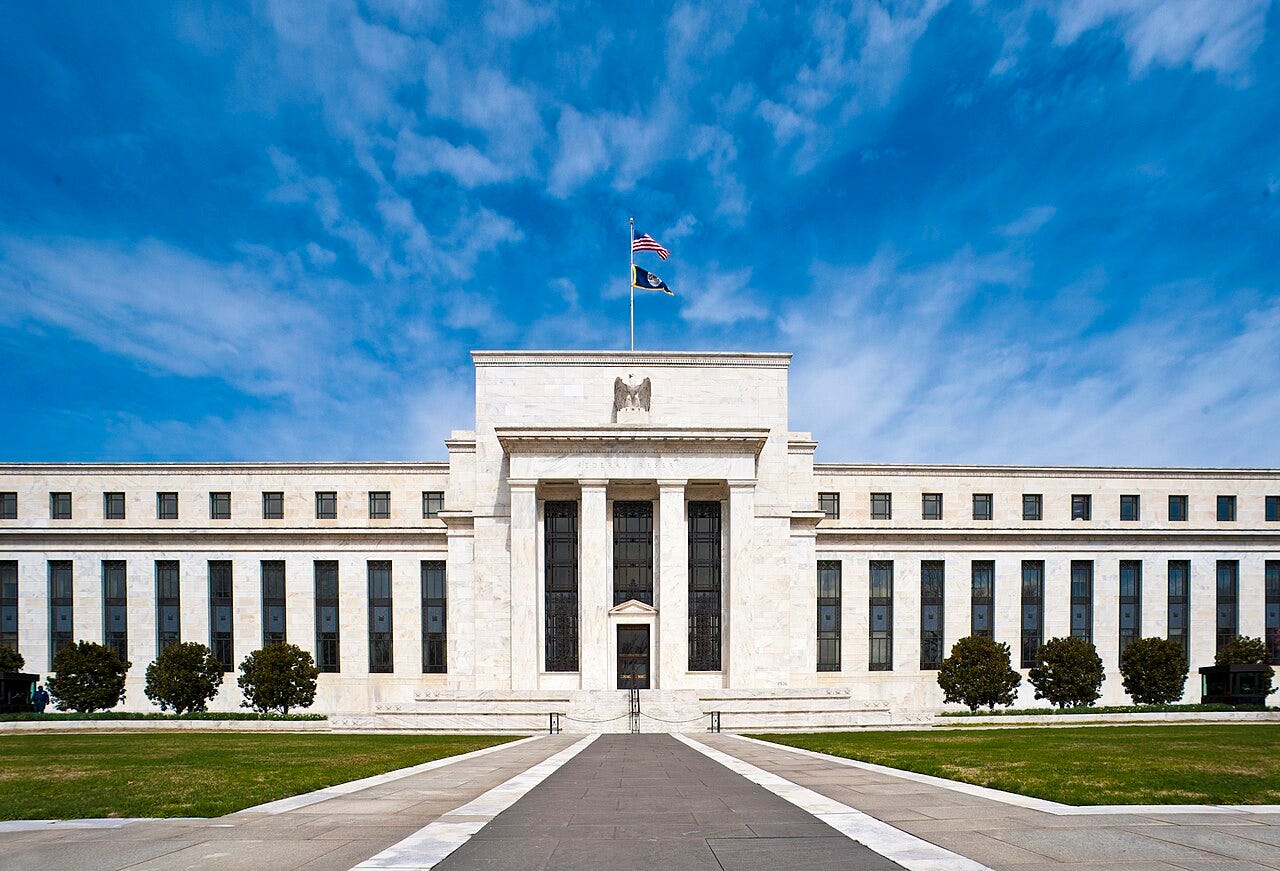

The FOMC (Federal Open Market Committee) is the Federal Reserve’s interest rate setting committee, consisting of 12 members. It meets approximately every six weeks to determine the interest rate policy and, after each meeting, publishes a statement.
Although these statements are only a few paragraphs long, they contain far more information than the headline interest-rate decision. Subtle changes in wording can inform us about how the FOMC is thinking about inflation, labor markets, the macroeconomy and future policy. They can also provide clues about any disagreements within the FOMC.
As the decisions made by the FOMC can have a significant impact on both the US and global economies, understanding the thought process behind each meeting can help us anticipate where policy is heading. With the next meeting on December 9, this guide should help you read between the lines of the statement and better understand what it tells us about the Fed’s thinking and the likely direction of future interest rate policy.
What you’ll learn:
How to read between the lines of an FOMC statement and identify the signals policymakers are sending;
How subtle changes in wording can reveal internal disagreements and shifts in policy preferences;
How to interpret the Fed’s economic language to assess inflation risks and anticipate future interest-rate decisions.